Field notes: the hillside where the north rows outlived the south rows two to one
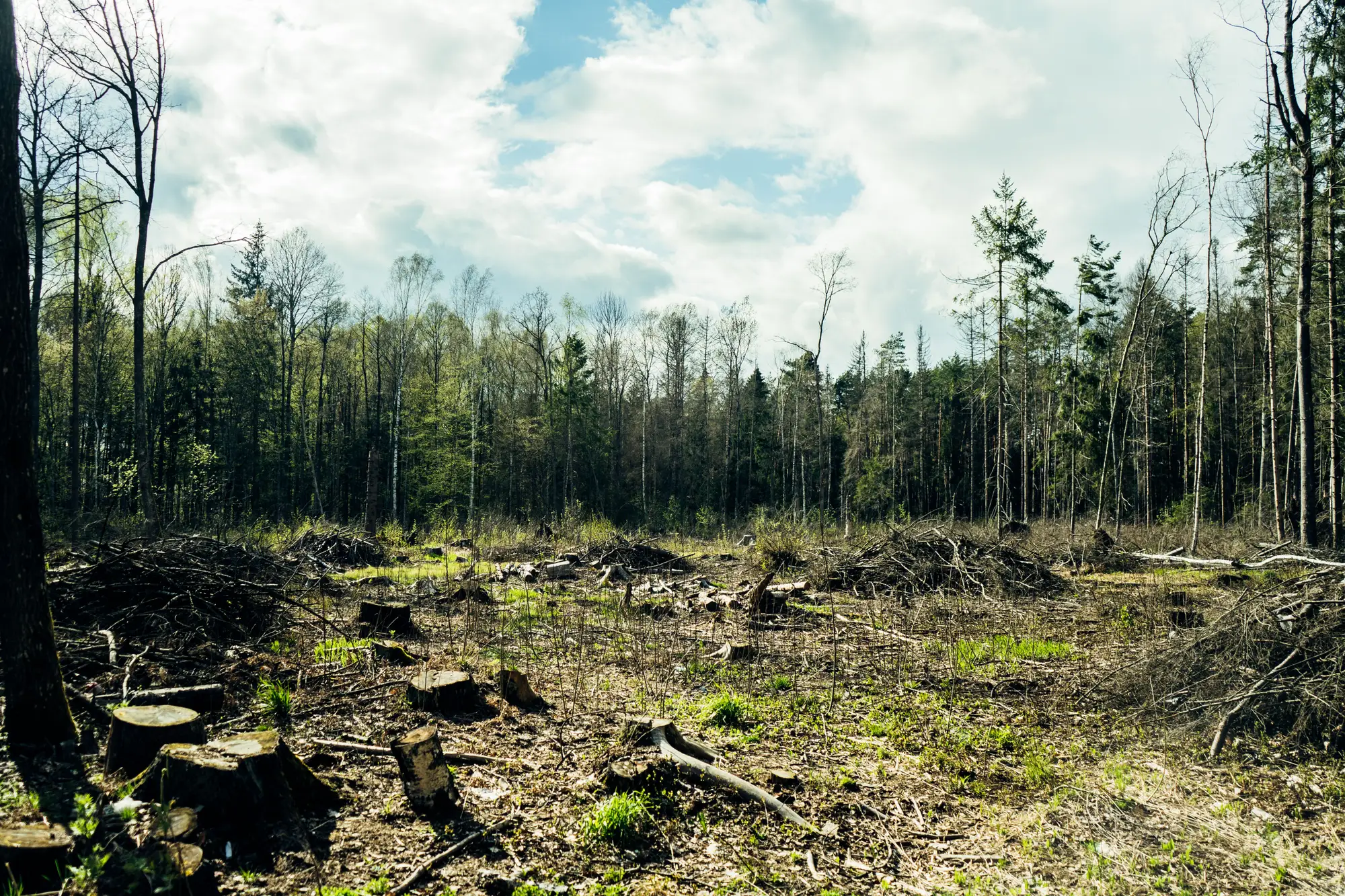
We walked a 40-hectare reburn block last month where the planting crew had put bareroot Doug-fir in on a 10-by-10 spacing across a drainage that runs roughly east-west. Classic bowl shape. North-facing slope on one side, south-facing on the other, same crew, same stock, same week in the ground. It's the kind of site that should tell you something clean about aspect, if you're willing to actually count instead of guess.
So we counted. Not a walked transect, a full pass from the annual flight, every seedling tagged live or gap, row by row down both faces of the bowl. The north rows came back at roughly two live seedlings for every one on the south rows. Two to one, holding steady from the ridge down to the creek.
None of that is a surprise to anyone who has planted a bowl-shaped unit before. South aspects bake. Even in a cool coastal regen zone, a south-facing slope in year one gets more direct sun hours, dries out faster between rain events, and holds less residual moisture in the duff layer where a first-year root plug is trying to establish. North aspects stay cooler and wetter longer into the season. Put the same seedling on both faces and the south one is working harder from day one just to not desiccate.
What's worth sitting with is how uniform the gap was across the whole south face. It was consistent, row after row, roughly the same mortality rate from top to bottom of the slope. That consistency points straight at aspect as the driver, not a weak patch near the ridge or a scoured gully at the bottom.
Browse damage shows up clustered, usually near cover or a travel corridor. A cold-storage problem in the stock shows up as a bad week across the whole block regardless of aspect. This pattern was neither of those. It was the sun, doing what the sun does on a south face in year one.
It's a useful reminder that a single stocking number for a whole block can hide a lot. If this unit had come back at, say, 72% overall, that number alone tells a contractor nothing about where the beat-up crew needs to go next spring. Pool the north and south rows together and you get a block that looks like it needs modest infill everywhere. Split it by aspect and you get a much sharper instruction: the north face is basically fully stocked, leave it, and the south face needs a real second pass, maybe even a different stock type or a planting window shifted earlier to catch more spring moisture before the slope turns hot.
That's the difference between a stocking survey that tells you a percentage and one that tells you where to send the crew. A block-level count run off a sub-10cm flight picks up that kind of microsite pattern because it's looking at every stem, not a sampled line through the unit. You see the aspect line in the data the same way you'd see it walking the ground, except you see it for all forty hectares instead of the three transects someone had time to walk before the rain came in.
We've started asking planting foremen a simple question before they even get to the field: does this unit have a bowl, a bench, or a straight pitch to it? If there's a meaningful aspect change anywhere in the draw area, it's worth knowing the survival split before deciding where the infill budget goes. A stocking report that can't answer that question isn't finished yet. If you've got a block with this kind of terrain and a beat-up decision coming up, this is the kind of count we run on contract.
Get in touch if you want a pilot flown on your own hillside before the planting window closes.