Blog
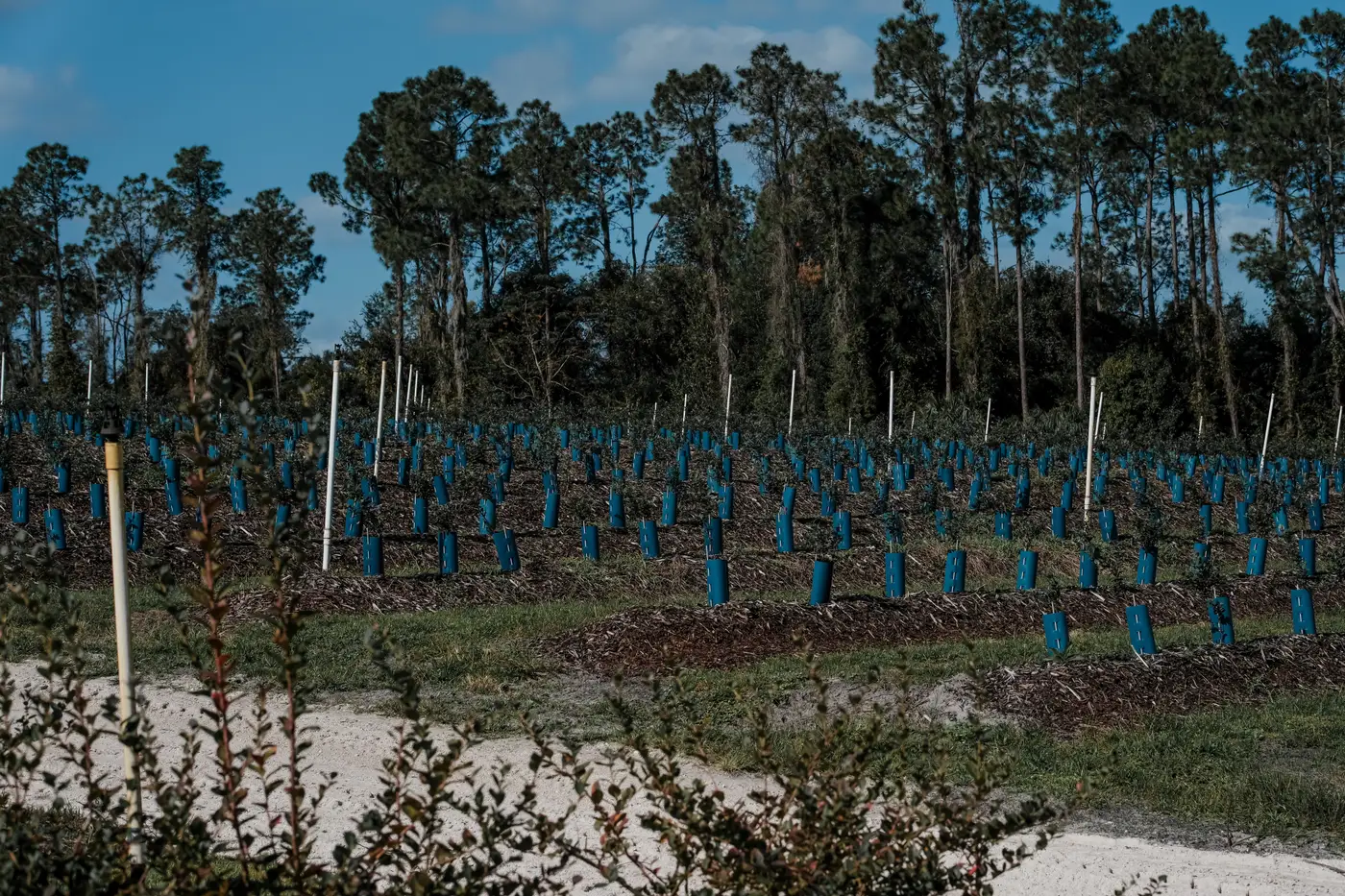 Field notes: the week the drone count and the contractor's invoice didn't agree
A field note on a stocking reconciliation gone sideways: billed stems, surveyed stems, and the sample-size argument that eats a week.
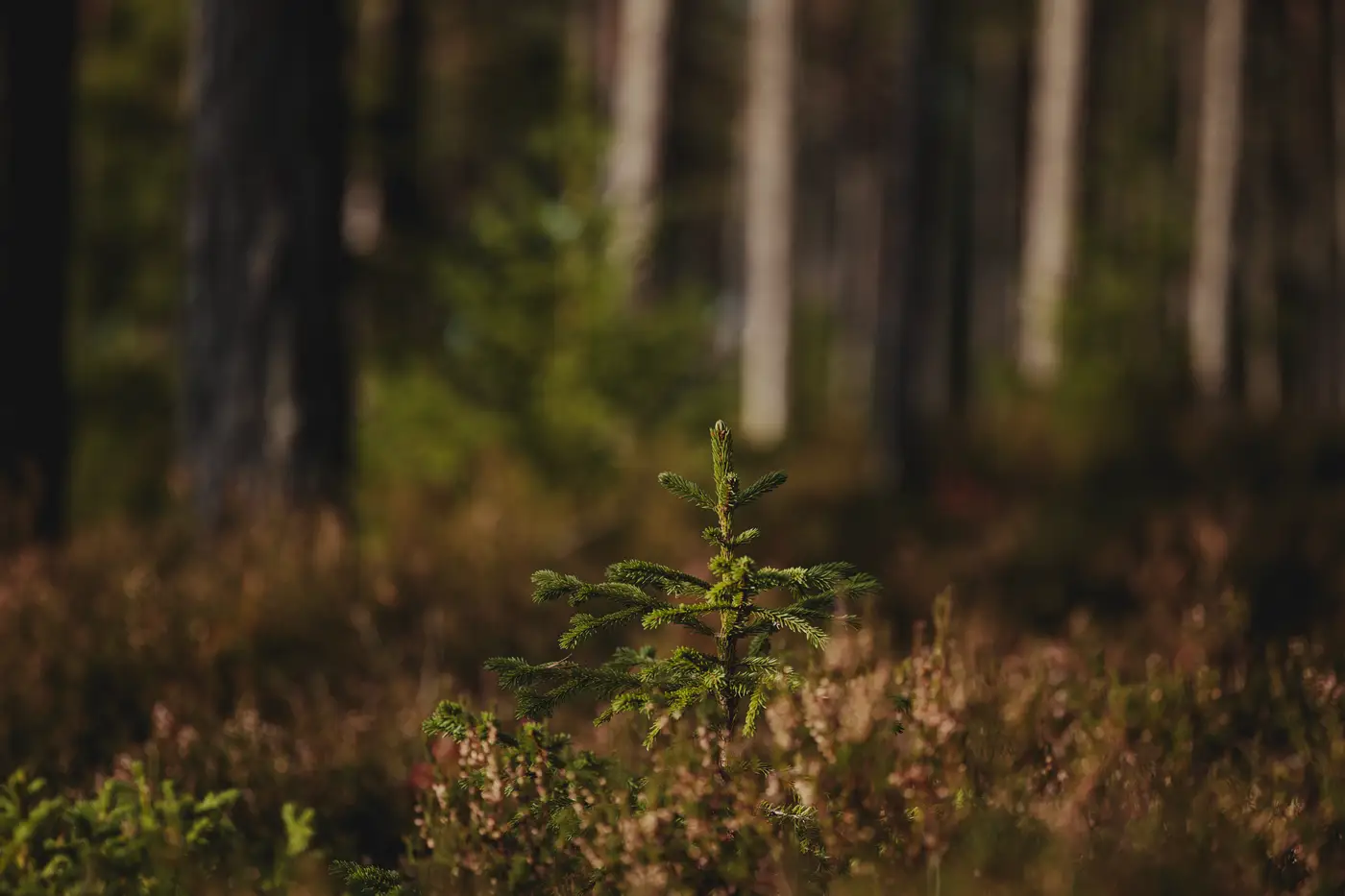 What is a survival warranty clause in a reforestation contract?
A plain-language look at survival warranty clauses, how stocking survey results trigger them, and what beat-up planting involves.
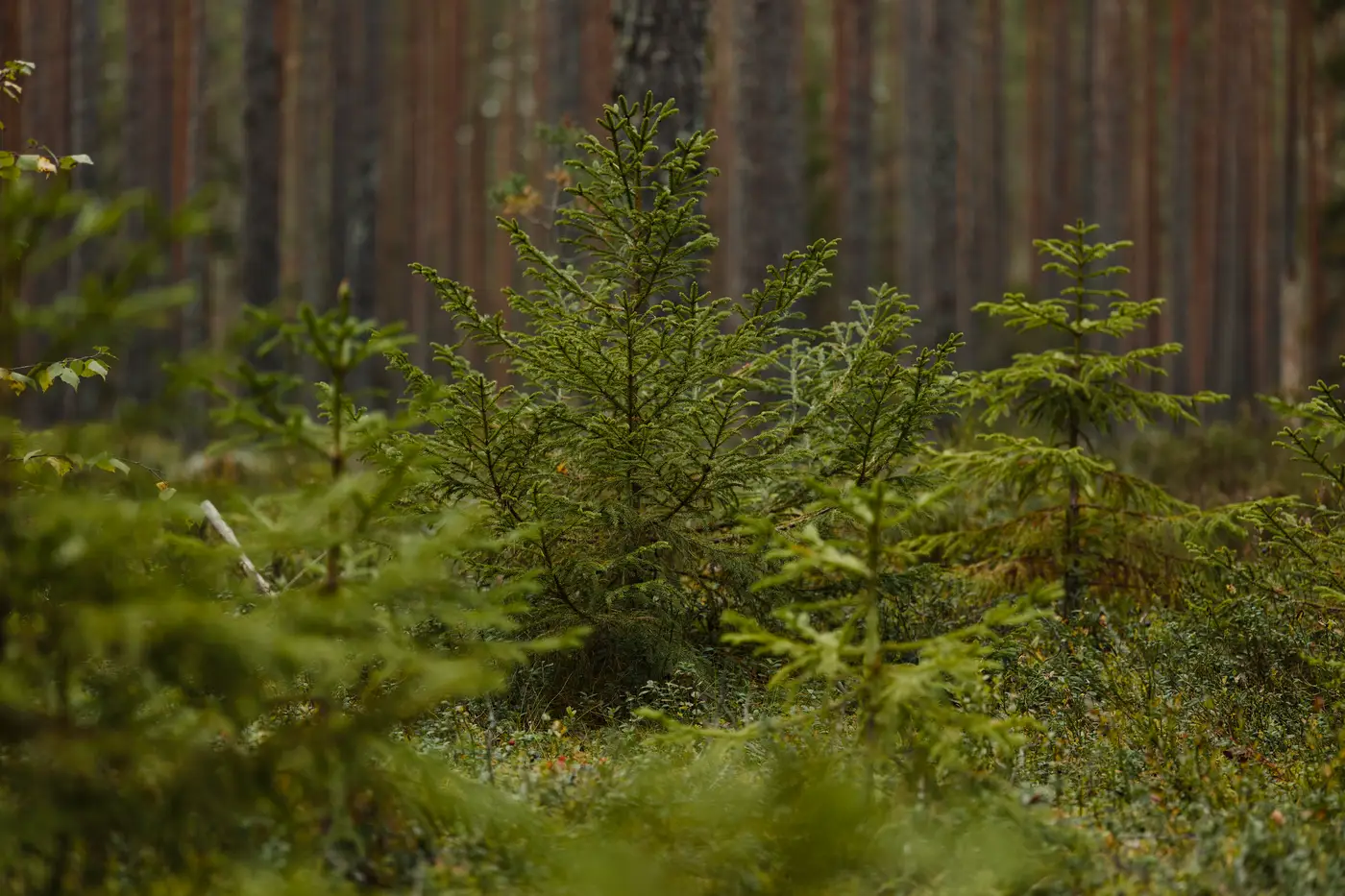 Natural regeneration vs planted seedlings in a stocking count
Field signs that separate planted stock from natural ingress, and why the planting contract decides what counts toward a stocking target.
- Plantable spot vs planted spot: what the difference means for your stocking report
What counts as a plantable spot, what counts as a planted spot, and why the gap between the two drives your stocking percentage and beat-up decisions.
- Bare-root vs container stock: which holds up better on a replanted block?
How bare-root and container stock differ on survival, planting windows, and what that means for your next stocking check and beat-up call.
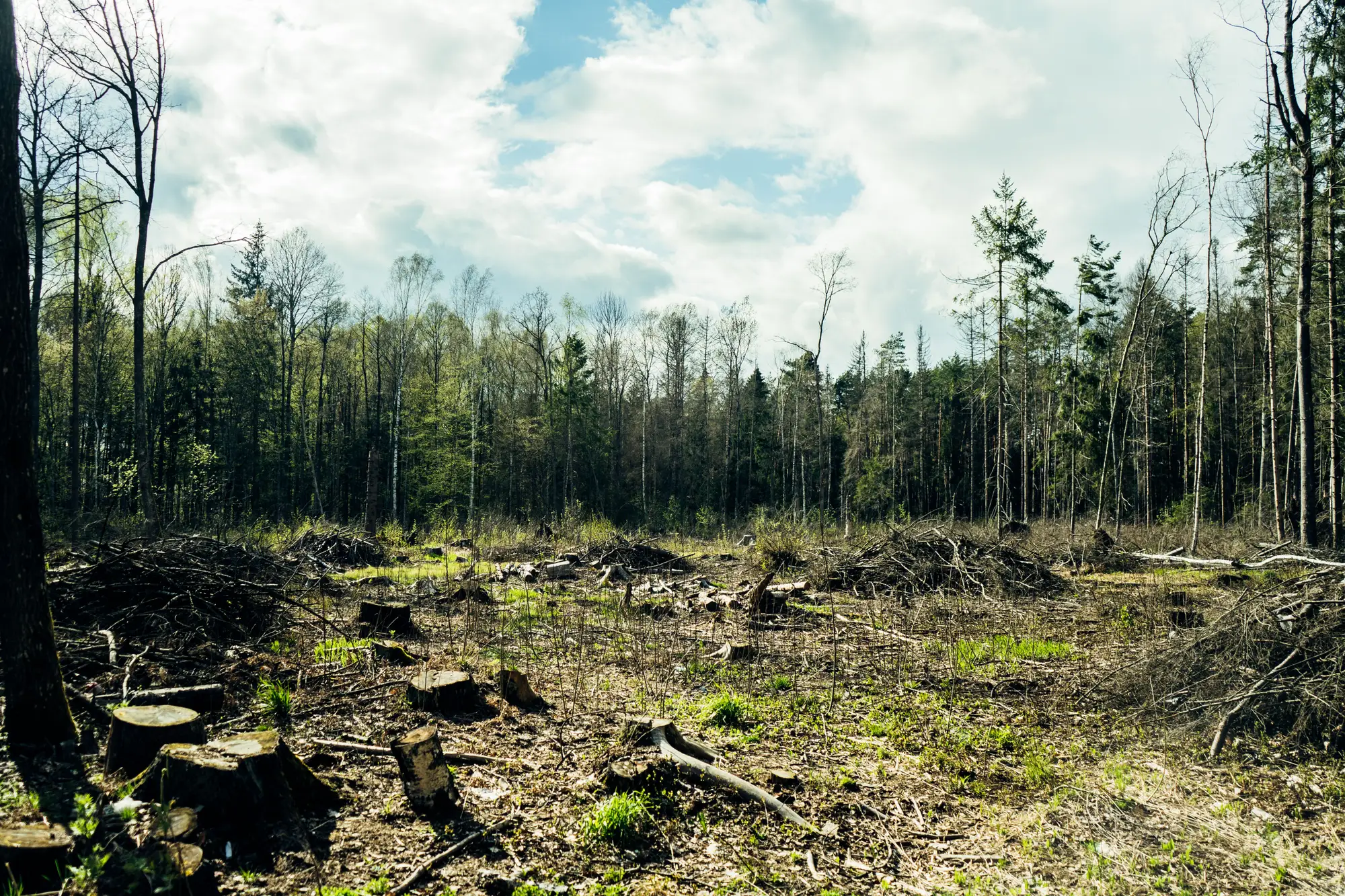 Field notes: the hillside where the north rows outlived the south rows two to one
A stocking count on a bowl-shaped unit showed north rows surviving two to one over south rows. What that aspect split means for infill planning.
 How to prioritize which blocks get reflown first when flight hours are limited
A practical triage method for ranking planting blocks when the annual stocking flight can't cover everything on contract.
- What is a replanting obligation period? A contract glossary
A plain-language glossary of replanting obligation periods, establishment and warranty periods, and infill planting deadlines in restoration contracts.
 Field notes: the block we replanted twice and still came up short
A planting contractor's field notes on a block that failed two stocking surveys in a row, and what the walked transect never caught.
- What is a free-to-grow stand in a reforestation contract?
What a free-to-grow stand means in a reforestation contract, how free-to-grow assessments work, and why the stocking number matters.
- How to calculate seedlings per hectare from a sample plot
How to turn a sample plot count into seedlings-per-hectare, with the formula, plot sizing, and where hand-walked sampling misses gaps.
- What causes frost heave in newly planted conifer seedlings
Why first-year conifer seedlings pop out of the ground after freeze-thaw cycles, and what site conditions make a block worse for frost heave.
- How to time a drone flight for first-year seedling counts
When to fly a sub-10cm stocking check on a first-year block, before grass and brush hide the seedlings you planted.
- Seedling vs weed: how to tell them apart in overhead imagery
How overhead imagery separates a planted seedling from volunteer vegetation on a replanted block, and why getting it wrong skews a stocking count.
- Browse damage or planting failure? How to read first-year seedlings
How to separate deer browse from true seedling mortality on a first-year stocking check, using stem, root collar, and block-pattern signs.
- Walked plot sample vs full-block stocking count: what a stocking report needs
How walked plot sampling and full-block stocking counts differ, and why a stocking report tied to a contract often needs more than a sample.
- What counts as understocked under a planting contract
A plain explanation of how stocking standards and understocked thresholds work in a planting contract, and why the count method decides the result.
- What beat-up planting is, and when a contract actually requires it
A plain explanation of beat-up (infill) planting, how the obligation gets written into a reforestation contract, and when it's triggered.