What causes frost heave in newly planted conifer seedlings
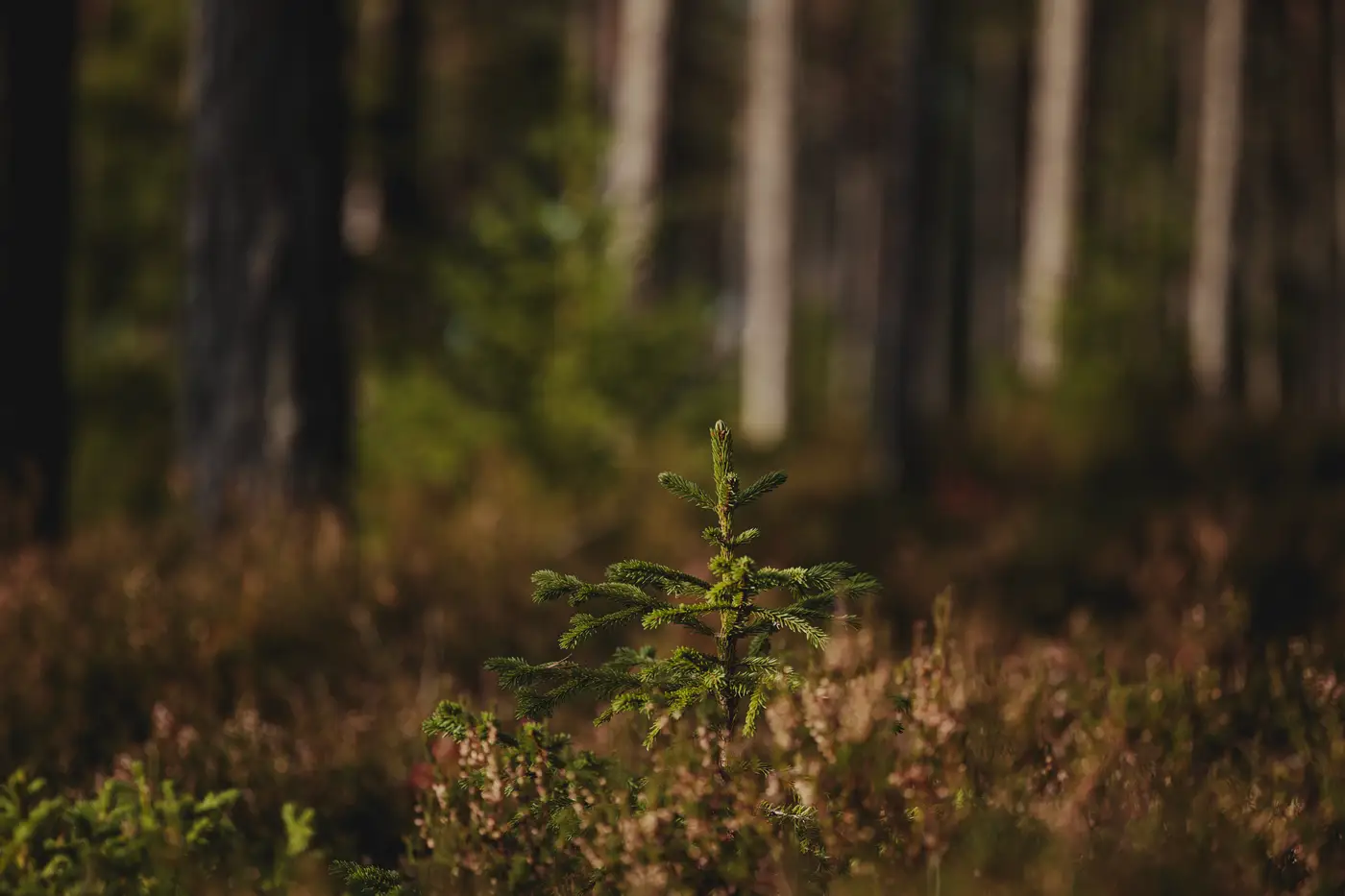
Frost heave is a soil mechanics problem that happens to land on your planting contract. Water in the soil freezes, expands, and pushes upward. When it thaws, the soil settles back down, but a seedling with a root system that hasn't anchored yet doesn't always settle with it. The plug gets lifted a little, then a little more with the next freeze-thaw cycle, until the roots are sitting above the soil line or the whole seedling is lying on the duff.
It's almost always a first-year problem. A seedling planted that spring hasn't had a growing season to push roots past the frost-active layer, so it's riding on top of whatever the soil column does underneath it. By year two, root penetration is usually enough to hold the stem down through a normal freeze-thaw cycle. That's why frost heave mortality shows up so heavily in first-year stocking surveys and barely registers in free-to-grow checks three years later.
Soil and site conditions that make it worse
Not every block heaves the same amount, and the differences come down to soil and moisture, not planting technique alone.
Fine-textured soils, silt loams especially, heave more than sandy or coarse gravelly ground because they hold more water in the pore spaces that freeze and expand. A block with standing water or poor drainage in spring is a heave risk even if the crew did everything right. Compaction from skidder traffic or site prep can create the same perched water table that drives the problem.
Exposure matters too. North aspects and open flats with no overhead cover go through more freeze-thaw cycles per winter than a sheltered slope, because bare soil radiates heat fast overnight and then sits exposed to the next cold snap with nothing buffering it. Slash cover or residual shade changes that cycle count a lot.
Planting depth plays into it as well. A seedling planted shallow, with the root collar sitting high, gives the ice lens less soil to push against before it reaches the plug. Crews already know to plant to depth for this reason, but on rocky or shallow-soil ground it isn't always possible to hit the spec, and those are usually the same spots where heave shows up hardest in the spring walk-through.
Species sensitivity is real but secondary to all of the above. Spruce and some pine stock tend to show more heave damage than fir on the same ground, but put any species on a wet, fine-textured, exposed site and you'll see losses regardless of what's in the bag.
What it looks like when you walk the block
Heaved seedlings aren't always dead on sight, which is part of what makes them a pain to survey. A lifted plug with exposed roots can still be green for weeks before it dries out and the crown goes red. That lag is exactly why a walked sample taken too early underestimates the damage, and a sample taken too late is scoring seedlings that are already functionally dead but haven't shown it yet.
The mortality itself comes from root desiccation, not the cold directly. Once the roots are out of contact with soil, they stop pulling water, and a seedling in full sun on a dry spring day doesn't last long. Re-settling a heaved seedling by hand, pressing the plug back in before it dries out, works if you catch it early, which again comes back to timing the check right.
That timing problem is the real reason freeze-thaw damage is such a headache on a planting contract. You need a count of what's standing and what's gaps after the heave season has run its course but before the beat-up planting window closes, and a walked sample on a few hundred acres either misses the early-season lifted stock or gets taken too late to do anything about it. A stocking count run from an annual flight over the block catches every seedling and every gap at once, which is a better basis for deciding where infill planting actually needs to go.
If frost heave is chewing into your first-year stocking numbers, it might be worth seeing what a full count of the block looks like instead of a sample.