Plantable spot vs planted spot: what the difference means for your stocking report
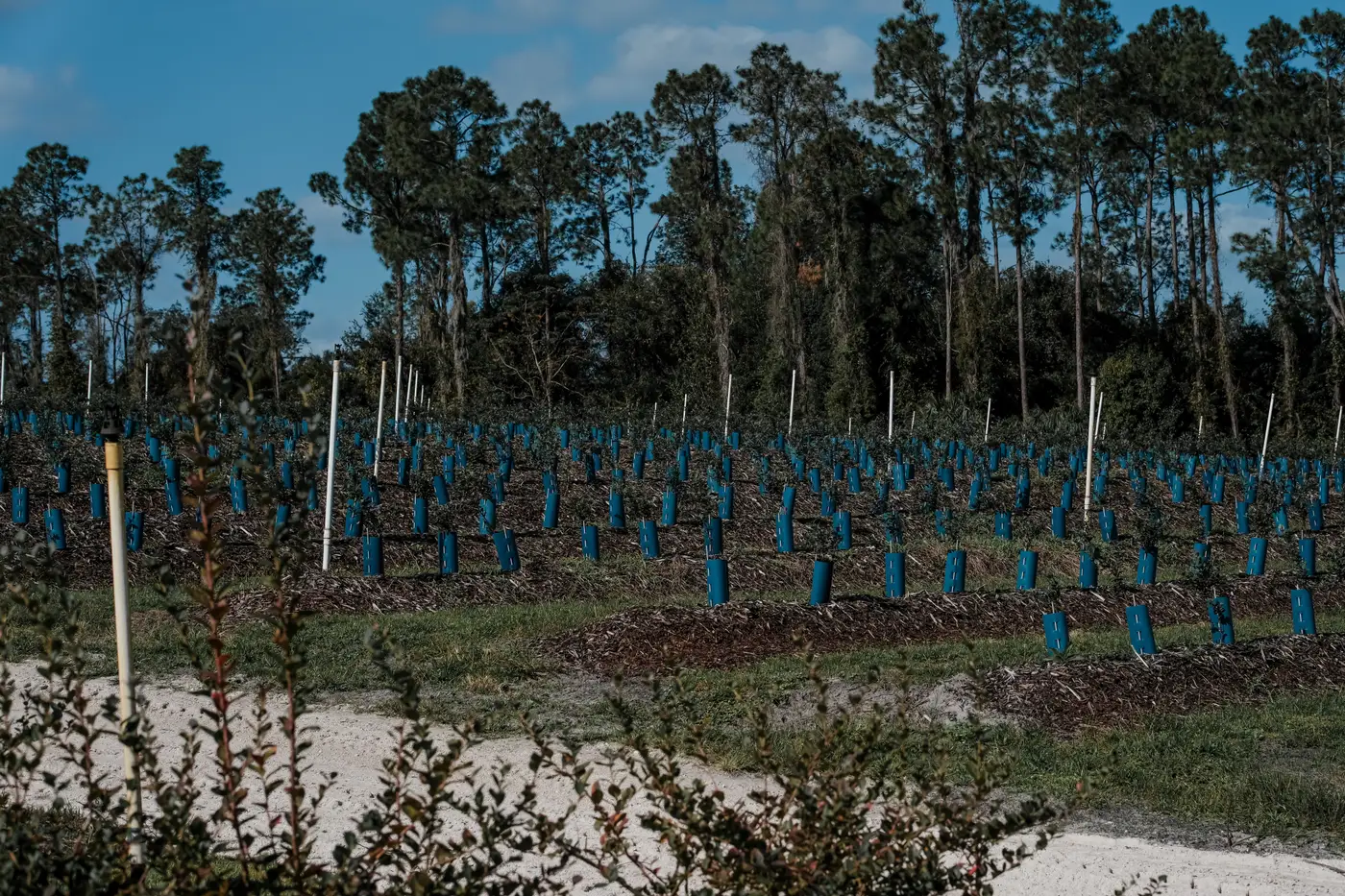
If you've ever argued with a reviewer over a stocking number, the argument usually comes down to one of these two terms getting mixed up. They sound close enough to swap in a sentence. On a block, they're not the same thing at all, and the difference is what your stocking report measures.
Plantable spot: the ground that counts
A plantable spot is a piece of microsite that could physically carry a seedling, whether or not one is standing on it today. The stocking standard for the block sets the spacing (commonly a grid interval like 2 m x 2 m or whatever the prescription calls for), and every cell in that grid is a candidate spot unless it's disqualified by something on the ground: a boulder, standing water, a slash pile, a stump, an existing advance regen tree already occupying it, or ground too steep or too wet to hold a planted stem.
Disqualified ground doesn't count against you. If a quarter of a plot falls on exposed rock, that quarter comes out of the denominator entirely. The plantable-spot count is the realistic opportunity on that ground, not an abstract grid laid over a map.
Planted spot: what's actually in the ground
A planted spot is a plantable spot that has a live, acceptable seedling in it on survey day. "Acceptable" does some work in that sentence. A seedling has to be the right species per the prescription, free of obvious mortality, and not so suppressed or damaged that it won't contribute to future stocking. A dead whip still standing counts as empty ground for survey purposes, not as a planted spot, even though a crew physically put a tree there last season.
Stocking percentage is simply planted spots divided by plantable spots, times 100, measured plot by plot and then rolled up across the block. A block can look well-covered from the road and still come in under the regulated or contracted minimum if enough of those planted spots turn out to be dead, wrong-species, or missing.
Why the distinction decides who pays for infill
The contract clause that gets invoked is built on this gap. If plantable spots minus planted spots exceeds the allowed threshold, that triggers beat-up (infill) planting, and depending on the contract, the original planting crew eats the cost of going back in rather than the fund or the licensee. Get the plantable-spot count wrong, undercounting disqualified ground, say, or missing a patch of exposed rock, and the stocking percentage comes out low on paper even though the planting itself was fine. Get the planted-spot count wrong, and a crew can get sent back to beat up a block that was already acceptable.
This is exactly why the distinction isn't a technicality. A walked sample with hoop plots gives you a stocking percentage for maybe one or two percent of the block's area, extrapolated up. Two surveyors walking the same transect on the same day have been known to land on different numbers, because "plantable" and "acceptable" both involve judgment calls at the plot edge. Nobody's sandbagging anybody. It's just a hard thing to sample consistently at scale.
A full count from an annual flight removes the extrapolation step: instead of sampling a handful of plots and multiplying up, Reforestation Monitor counts every seedling across the block and marks the gaps directly, so the stocking number you report is the actual count, not a projection from a sample.
If you're the one signing a stocking report against a planting contract this season, a full count of the block is worth asking about before the next walked sample goes out.