What beat-up planting is, and when a contract actually requires it
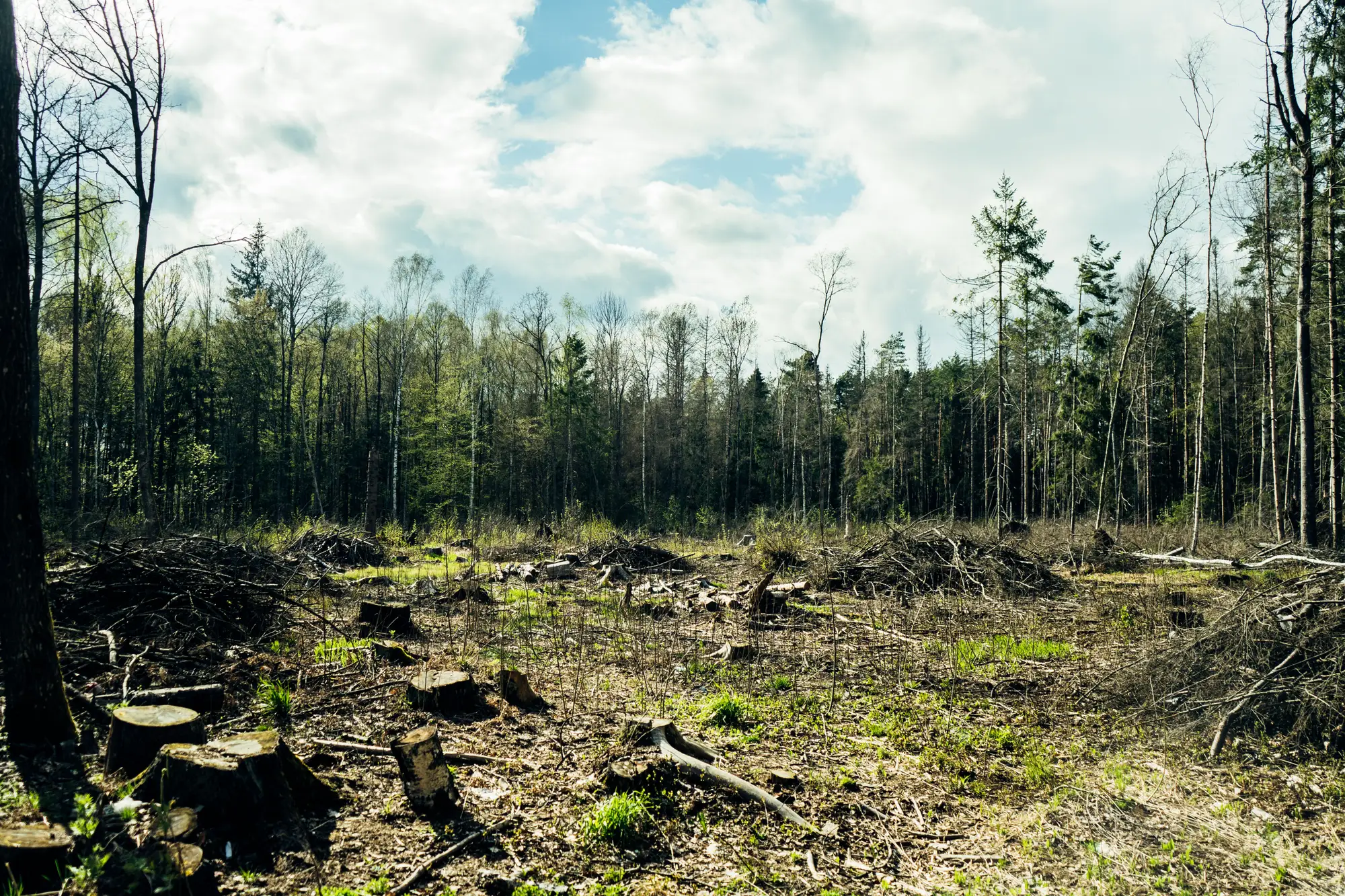
If you've worked a planting season anywhere near a stocking survey, you've heard the term thrown around without much explanation. Here's what it means in practice, and where it sits in the contract paperwork.
What "beat-up" actually means
Beat-up planting, sometimes called infill planting, is the replanting of gaps in a block after the first-pass seedlings have died, been browsed out, or never taken. It targets the spots where the original stems didn't survive to a countable size, leaving everywhere already stocked alone. It isn't a second rotation and it isn't a reset of the whole block.
The term comes from livestock country originally, where a "beat-up" paddock is one that's been knocked around and needs patching. In forestry and restoration contracting it's kept the same sense: patch the gaps, don't replant what's already stocked.
Most planting contracts and restoration fund agreements carry a beat-up clause because nobody expects 100% first-pass survival. Seedlings get taken by frost, drought, rabbits, deer, competing weeds, or just a bad batch of stock. The clause exists so the landowner, fund, or offset scheme doesn't end up with a thin block and no mechanism to fix it.
Where the obligation lives in the contract
The beat-up obligation usually sits in one of two places: a defects liability period clause, or a stocking standard clause tied to a milestone payment. Either way, the structure is the same. The contract sets a minimum stocking rate, often expressed as stems per hectare, and a window after planting in which that rate has to be met. If a stocking check at the end of that window comes in under the threshold, the contractor (or the fund, depending on who carries the risk under the agreement) owes replant into the gaps.
Some contracts specify the stocking standard as a flat number across the block. Others set it as a percentage of the original planting density. A few tie it to canopy or height targets instead of a raw stem count, though that's less common in the first year or two after planting, when height differences haven't sorted themselves out yet.
What the clause almost never specifies is how the gaps get found. That's left to whoever is running the stocking check, and it's the part that causes most of the arguments.
How the shortfall usually gets found
The standard method is a walked sample: a crew paces transects through the block, counts live stems in a fixed-width strip or a series of plots, and extrapolates a stocking rate for the whole area. It's a long-established method and it works, but it has two weaknesses that matter at beat-up time. A sample only covers the transects walked, so a cluster of dead stock just off the line gets missed or double-counted depending on who's doing the pacing. And because it's a rate, not a map, it tells you the block is understocked without telling you which corner to send the infill crew to.
That second point is the one that actually costs money. If the stocking survey says the block is short by some number of stems per hectare but doesn't locate the gaps, the infill crew either walks the whole block again to find them, or plants on a guess. Neither is cheap, and neither sits well with a fund manager who has to sign off on the beat-up invoice.
When the clause actually gets triggered
The clause triggers on the stocking check result, not on a visual impression that the block looks thin. If the survey comes in at or above the contracted stocking rate, there's no beat-up obligation, even if some patches look sparse to the eye. If it comes in under, the replant obligation kicks in for the deficit, and the contract usually specifies a timeframe for getting the infill stock in the ground before the next growing window closes.
That's the moment a seedling-level count of the block, rather than a sample projected across it, starts to matter. A full count can show exactly how many stems survived and exactly where the gaps sit, which turns the beat-up order into a planting map instead of a guess. That's the gap Reforestation Monitor is built to close for a block that owes a stocking report.
If you're staring down a stocking check on a replanted block and want gap locations instead of a bare percentage, it's worth a look at how that count gets done.